Guides
Blackout or sunscreen fabric: what each one actually does
Most people pick fabric by colour, when the thing that decides whether the room works is how much light it stops — and the same colour comes in several levels.
Curtain and blind fabrics fall into roughly three groups: sheer, mid and opaque. Trade names vary, but in Thailand you'll mostly hear sunscreen, dim-out and blackout. Those aren't brands — they're levels of opacity.
What each one actually does
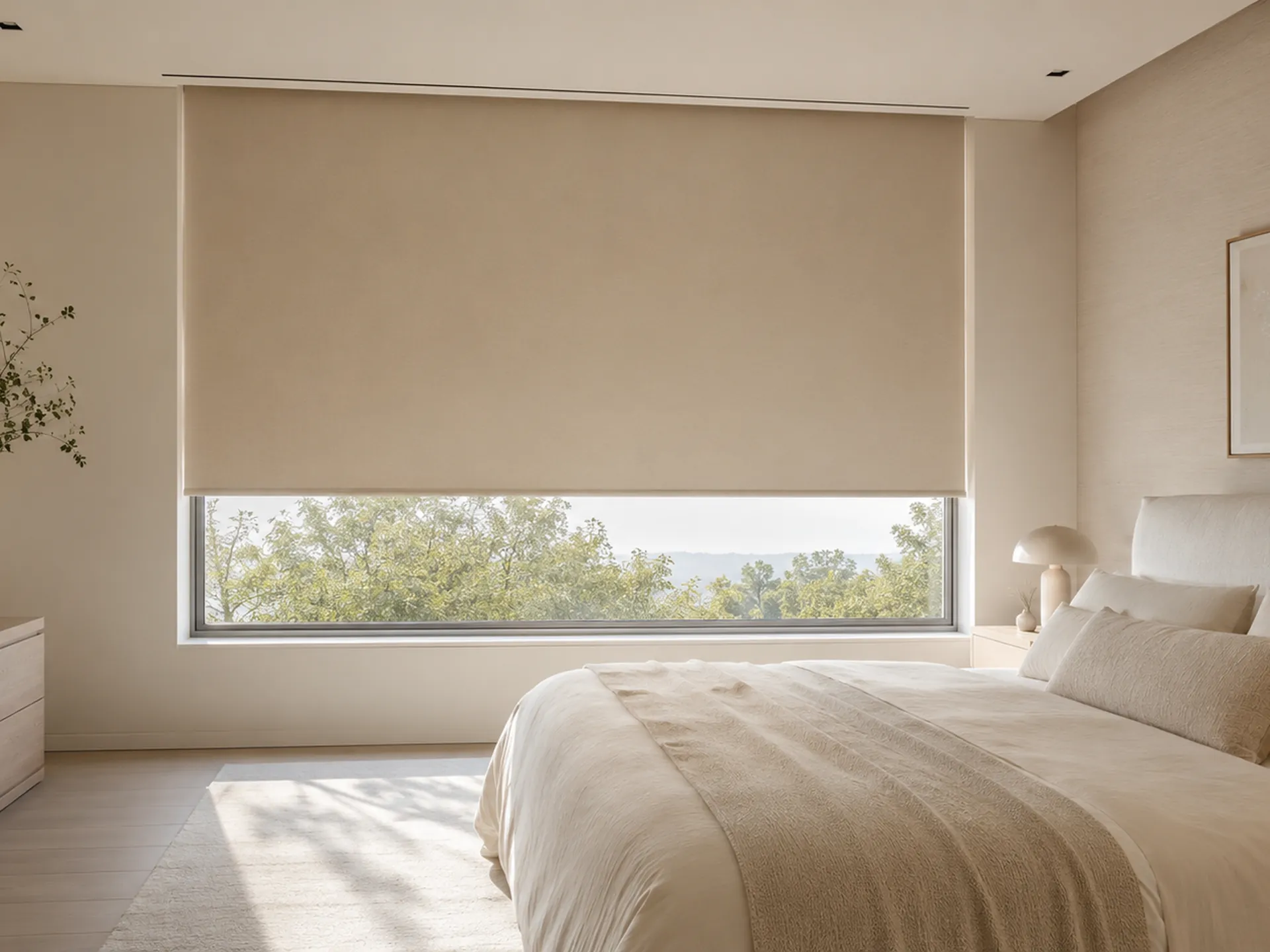
- Sunscreen — an open weave that kills glare and cuts heat while you can still see out. The room stays bright. It's for spaces you want daylight in, but not the full force of the sun.
- Dim-out — the middle ground. Clearly darker, not fully dark; in daylight you can still make out the room. A safe pick for living rooms and studies.
- Blackout — the fabric itself passes no light at all. Bedrooms, media rooms, or anyone on night shifts who sleeps in the daytime.
The roller blind fabrics we carry
| Fabric | Light block |
|---|---|
| Dim-out Sand | 75% |
| Dim-out Grey | 80% |
| Blackout Ivory | 100% |
| Blackout Charcoal | 100% |
| Sunscreen Sheer | 45% |
Those percentages describe roughly how much light each fabric stops, useful for comparing options within this table rather than as an engineering measurement. We bring the actual samples to the site visit — how a fabric feels in your hand is nothing like a number on a screen.
The night-time surprise with sheer fabric
Sunscreen and sheer fabrics work on the difference in brightness between the two sides. In daylight it's brighter outside than in, so people can't really see in while you see out perfectly. At night, with your lights on, it reverses: brighter inside than out, and from the street your silhouette and movement are visible. That's not a defect — it's how every sheer fabric behaves.
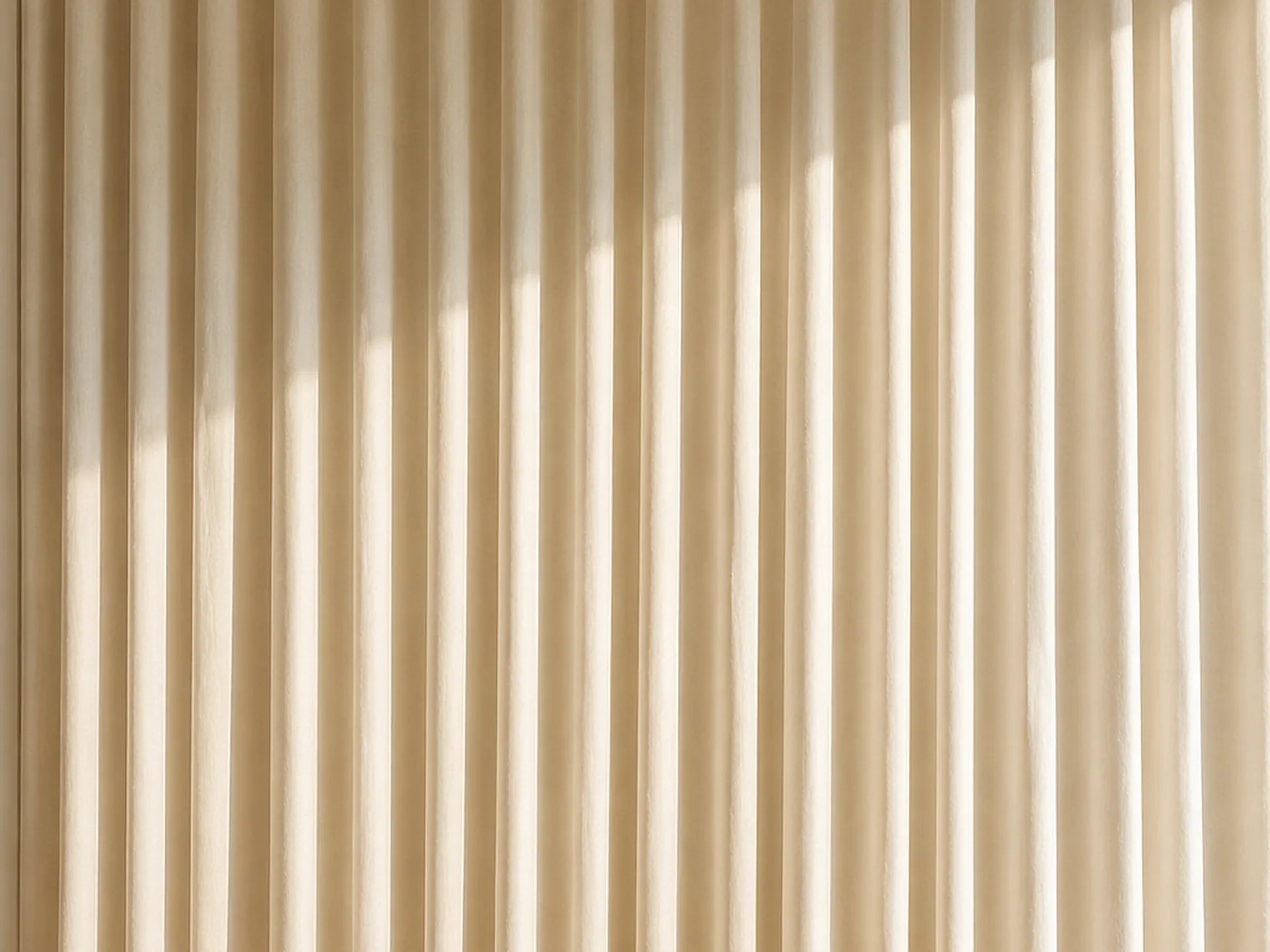
The common fix is two layers: sheer for the day, opaque for the night. In a high-floor condo with nothing facing it, you may not need to bother. Whether your window can take two layers depends on the space above the glass and the ceiling structure, so ask us and we'll look at it.
By room
| Room | Usually suits | Why |
|---|---|---|
| Bedroom | Blackout | Genuinely dark in daylight, and it handles street light at night |
| Living room, glazed balcony | Sunscreen | Cuts sun and heat without losing the view |
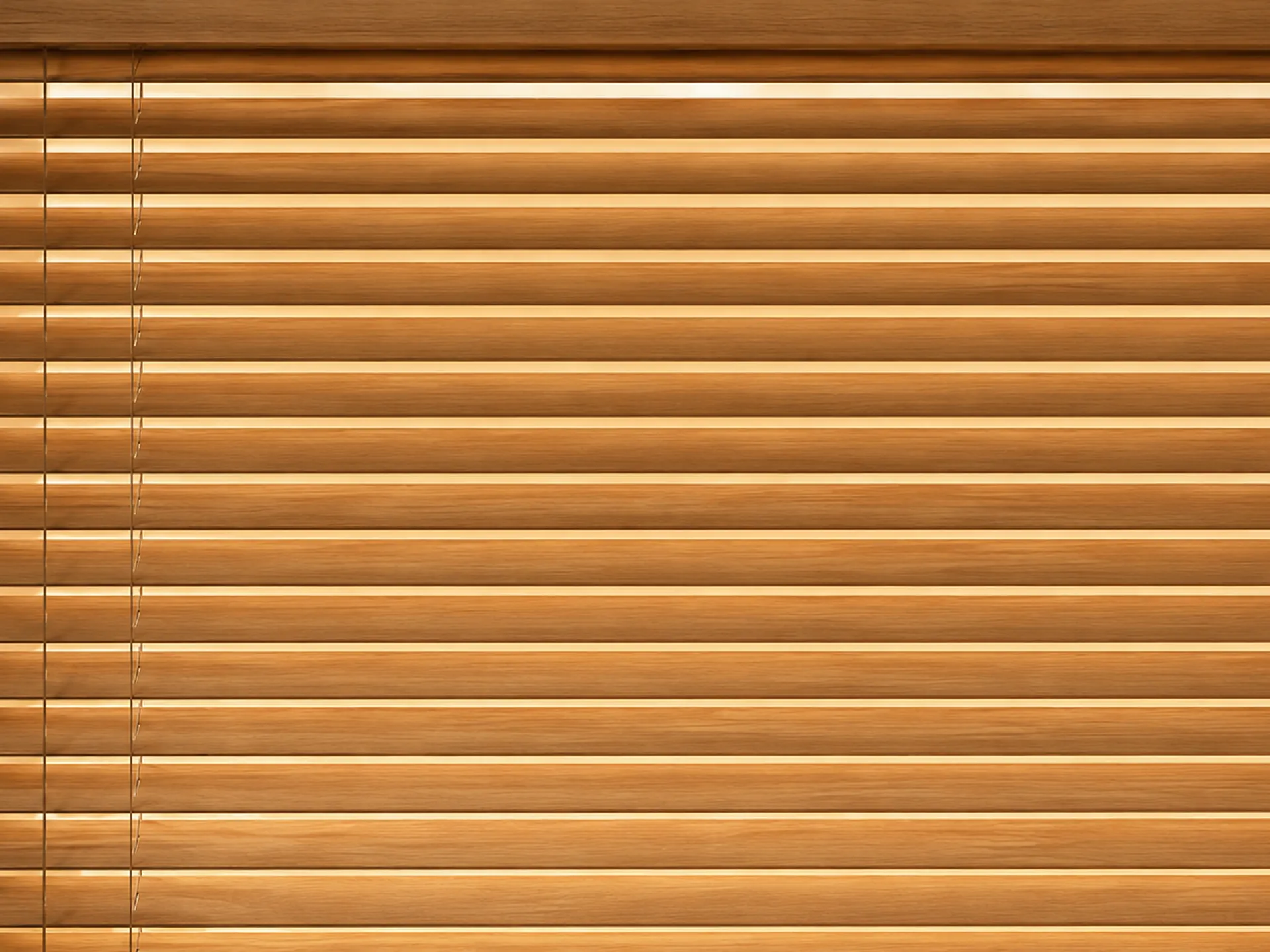
| Home office | Dim-out or a wooden blind | Kills screen glare without blacking the room out |
| Media room | Blackout | The least stray light, so the picture holds up |
| Kitchen, dining | Sunscreen or dim-out | Daylight matters here, and flat fabric wipes clean |
If you're going for pleated or wave curtains rather than a roller blind, the fabric grades work the same way — see the curtain page.
Does sunscreen fabric really cut heat?
It reduces the heat coming in with direct sunlight and cuts glare noticeably, but it isn't insulation — the glass is still the way heat enters.
Is blackout the same as just a thick fabric?
No. A thick or dark fabric can still let light through the weave. Blackout is specifically constructed so light doesn't pass through the cloth at all.
Can I change the fabric colour after ordering?
Before cutting, talk to us. Once it's been made there's an extra charge, because the fabric was cut to your windows.
Want the numbers for your own windows?
Send rough sizes first — no need to measure precisely. We'll work out a price, then arrange the real measure.