Dust it with the blind fully down
Roll it all the way down first, then work top to bottom with a soft brush or a vacuum brush head. Don't sweep upward — that pushes dust into the roll. Once a month is plenty in a normal room.

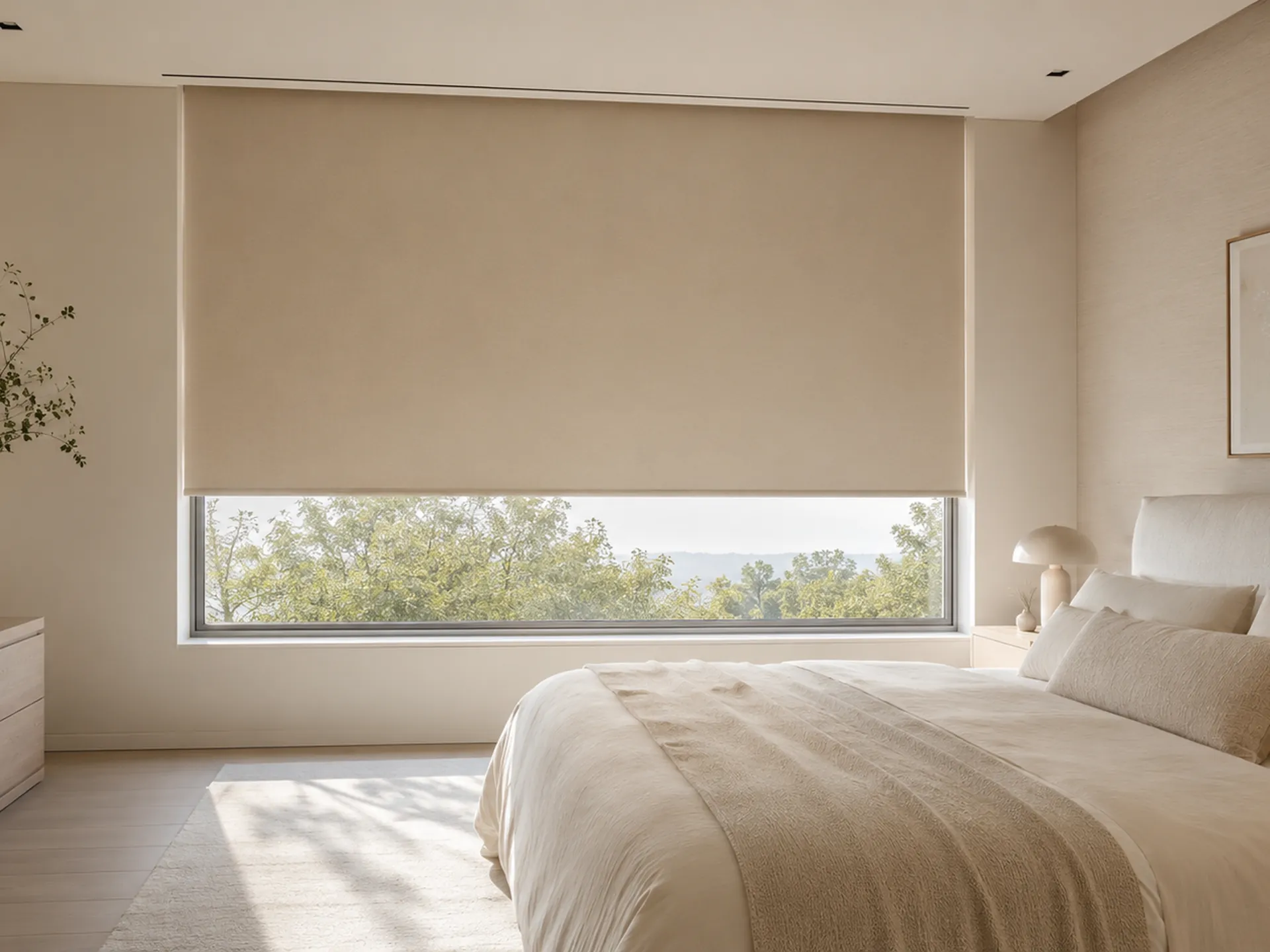 Motorized
Motorized Roller Blind
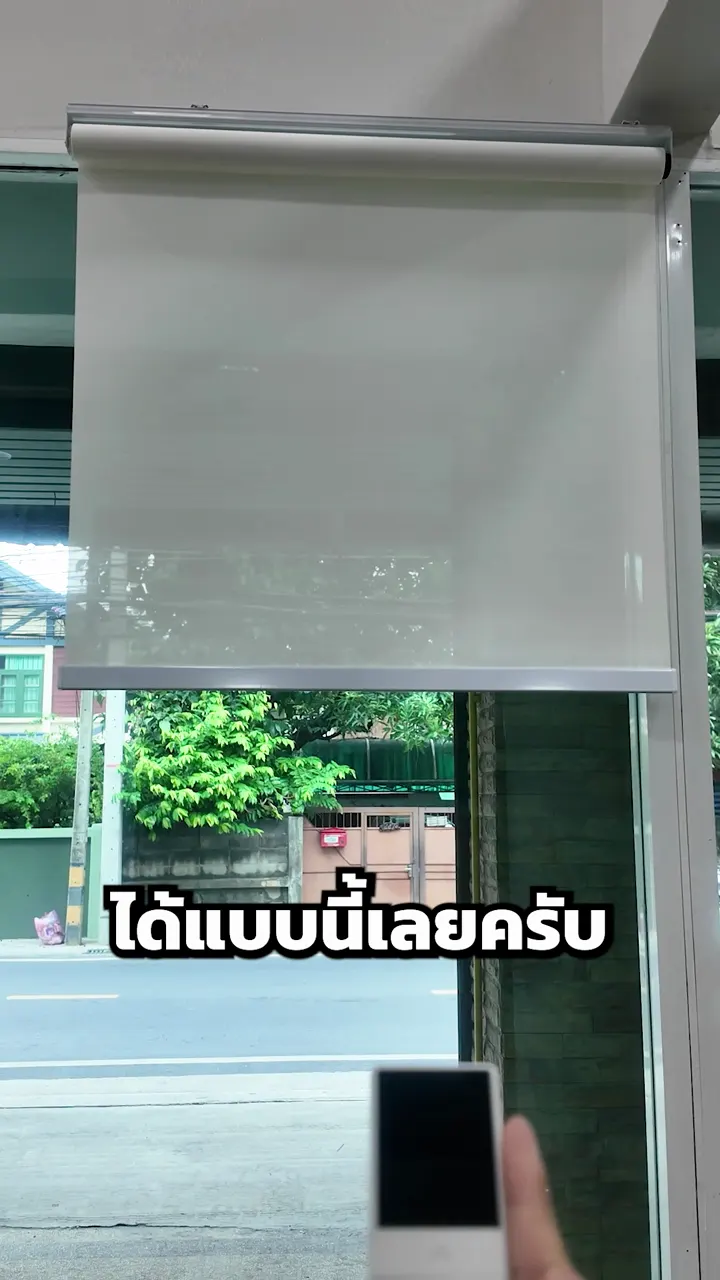
Control by remote, phone app or a wall switch. No hanging chains to catch on.
▶ Watch the real thing⚙ See the motors and specsExcludes VAT · the final price depends on fabric grade and how many units
Fabric colours · tap one to see it larger




Motorized Roller Blind
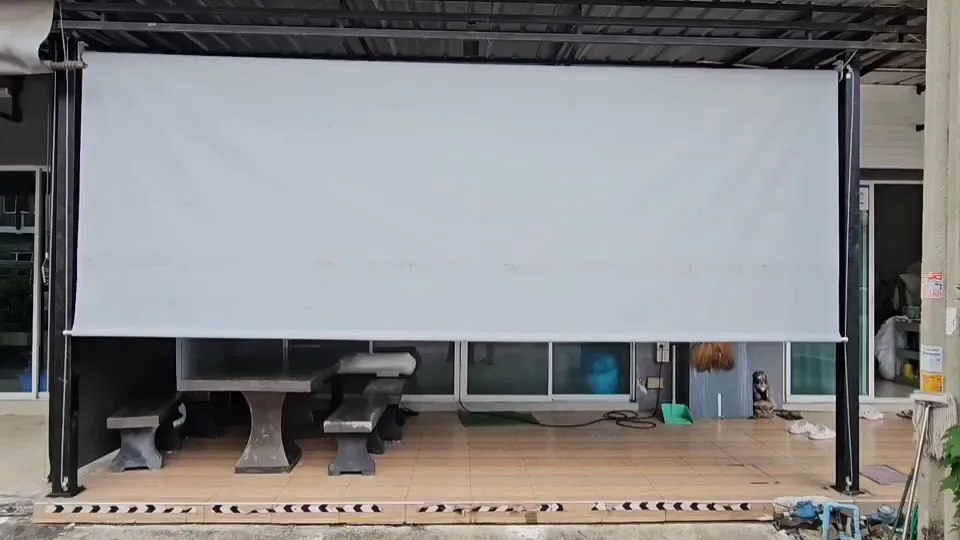
Filmed during a real fit: unboxing, fixing the brackets, hanging the blind, running it up and down on the remote, and the shop's fabric sample book.
Motorized Roller Blind
A roller blind is a single sheet of fabric that rolls up into a headrail. No pleats, no fabric bunching out into the room — it takes up less space at the window than any other type, which is why it tends to win in condos and in rooms where furniture sits tight against the glass.
Swap the chain for a motor and the fabric moves on a remote, a phone app or a wall switch. The benefit people actually talk about isn't luxury, it's reach: transoms above doors, full-height glass, a window stranded behind a big sofa. Nobody climbs up to pull a chain on those every single day.
How dark the room gets is decided by the fabric, not the motor. The same blind can be a sunscreen you still see the view through, or a blackout that lets nothing past. Picking the wrong one is the hardest thing to undo later, because the fabric has already been cut to your window.
The number beside each fabric is roughly how much light it blocks.
Figures from the manufacturers' spec sheets. A higher-torque motor carries a heavier blind, so it suits wide openings and heavy fabric.
6-year motor warrantyFrom the day installation is completed
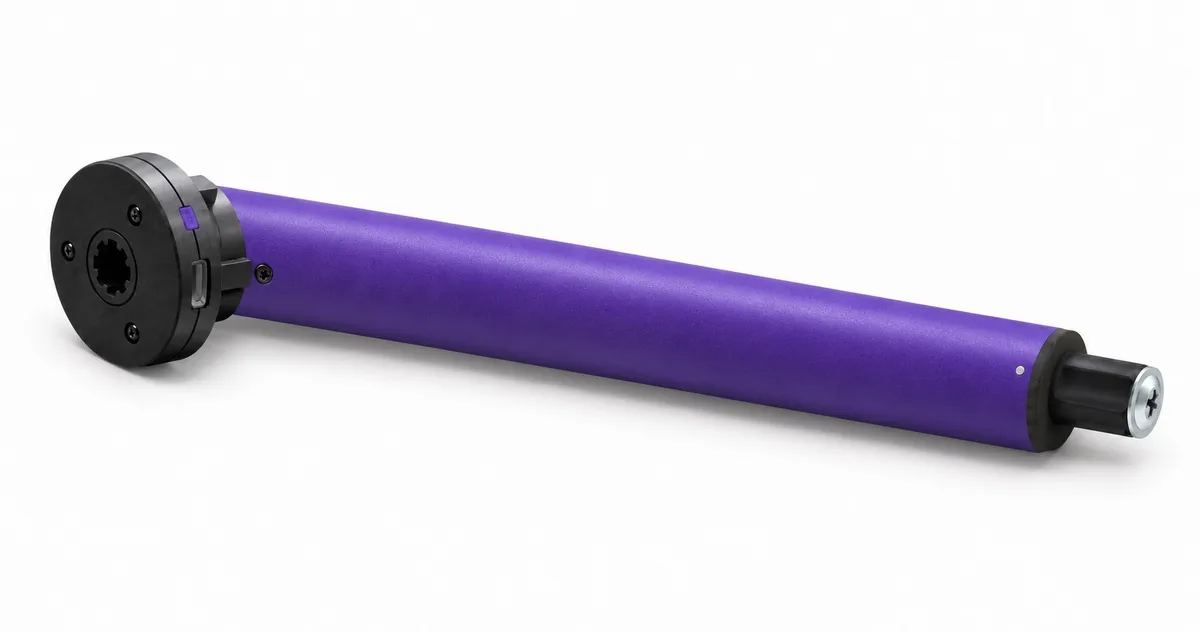
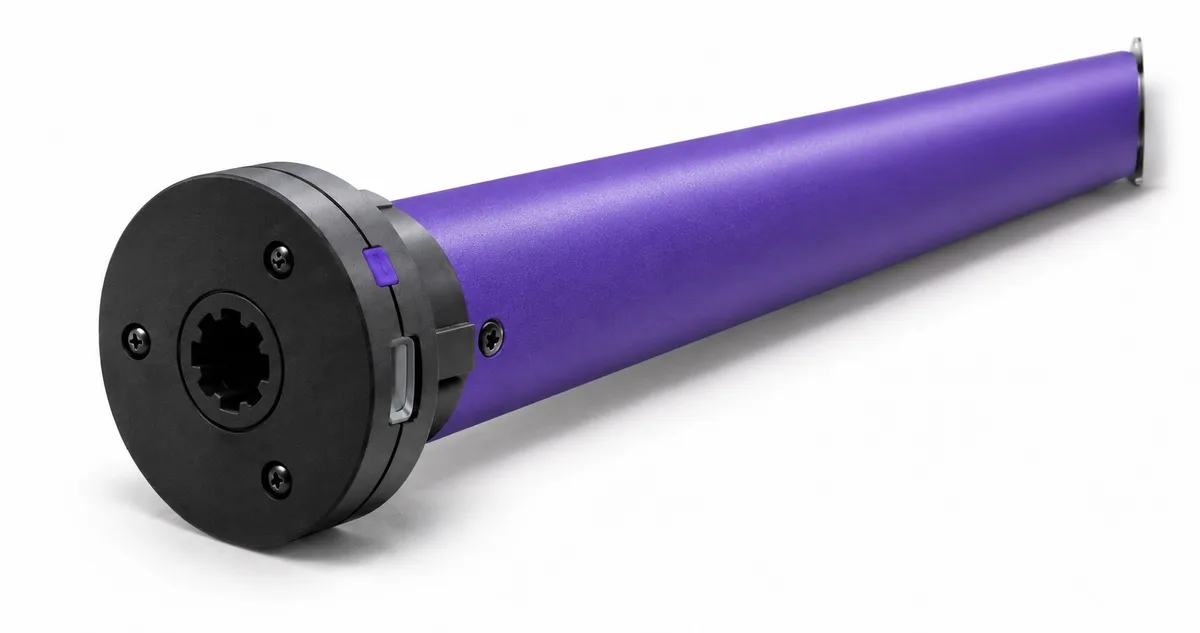
| Model | Novo K25 6-28 | Novo K45 15-28 | Somfy LSN 40 6/28 RTS |
|---|---|---|---|
| Torque | 6 Nm | 15 Nm | 6 Nm |
| Speed | 28 rpm | 28 rpm | 28 rpm |
| Carries up to | 20 kg | 50 kg | – |
| Control | Radio remote (RF) · WiFi | Radio remote (RF) | Somfy RTS radio remote |
| Supply | – | AC 220V | AC 230V 50Hz |
| Power | – | 150 W | – |
| Noise | – | up to 32 dB | – |
| Ingress protection | IP44 | IP44 | – |
| Roller tube | 50 mm | 65 mm | – |
| Motor length | 573 mm | 547 mm | 562 mm |
Jobs that used this product — open one for the photos and clips from site.
The limits up front, so nothing is a surprise once it's on the wall.
Work through these in order and the choice narrows fast.
Sleeping in daylight or living with a streetlight outside? Go blackout. Just cutting glare in a living room but keeping the view? Sunscreen. Dim-out sits between the two — dark enough for daytime TV without making the room feel closed in.
Sunscreen is a tight open weave — it takes the heat and glare off while you still see out. People rule it out assuming sheer means pointless, but it's what most living rooms and glass balconies end up with.
Inside the reveal looks neater and doesn't intrude, but light always leaks down both edges. Mounting over the frame eats a little wall on each side and leaks far less. Bedrooms that need real darkness usually end up mounted outside.
A wired motor needs a socket near the headrail. If there isn't one, an electrician has to add it first — we don't do wiring. The other route is a rechargeable battery motor, which needs no cable at all.
Light fabric bounces light back out and keeps the room feeling bright even when closed. Dark fabric kills glare and gives a clearer view outward, but the fabric itself soaks up more heat.
Roller blinds are priced by the square yard of fabric, not as a flat price per blind. A bigger window costs more because it uses more fabric, and there's a minimum per unit — anything smaller than that minimum is charged at the minimum.
The motor is charged separately per unit and isn't included in the fabric price, and for this category installation is charged by the size of each unit. The starting numbers are in the table below. The real figure is confirmed after the on-site measure, once the fabric and the number of units are settled.
Roll it all the way down first, then work top to bottom with a soft brush or a vacuum brush head. Don't sweep upward — that pushes dust into the roll. Once a month is plenty in a normal room.
Dab the mark with a damp — not wet — sponge. Don't rub in circles: most roller fabrics are surface-coated and scrubbing leaves a dull patch. Keep solvents and bleach away from it.
The one people forget. Roll it up damp and the layers sit pressed against each other — you get a musty smell or ring-shaped stains. Leave it down until it's completely dry.
Want it to stop halfway? Press stop — don't grab the fabric. In a power cut you can pull it by hand; it feels stiffer than a manual blind, and that's the motor doing its job, not a fault.
We suggestMotorized roller, blackout fabric
Properly dark, and you can open it from bed with the remote.
We suggestMotorized roller, sunscreen fabric
Cuts heat and glare but keeps the view — the room stays bright.
FAQ
It doesn't get stuck — you can pull it by hand, though it feels a little stiffer than a manual blind.
Quieter than an electric fan.
Yes, nothing needs to be knocked out. You do need a power socket near the headrail — if there isn't one, an electrician must add it first (we don't do wiring), or you can choose a battery motor instead.
Yes — a rechargeable battery motor. About 2 hours to charge, and it runs 4-6 months per charge.
Remote control, a phone app, or a wall switch. The app is Tuya, and no separate hub box is needed. Some brands include one remote.
Somfy, Novo, Kacee and Uni. They typically last 5-10 years, and we warrant the motor for 6 years.
Roller fabric isn't made to come off and go in a machine — it's cut and edged to fit that exact tube, and washing usually shrinks or twists it so it never rolls straight again. Regular dusting and spot-cleaning is the right care.
It's normal. Every roller blind needs a little clearance between fabric and wall so it can roll without scuffing. If you want the least leak possible, mount it over the frame rather than inside the reveal — decide that at the measure.
Not quite what you pictured? These are the closest alternatives.
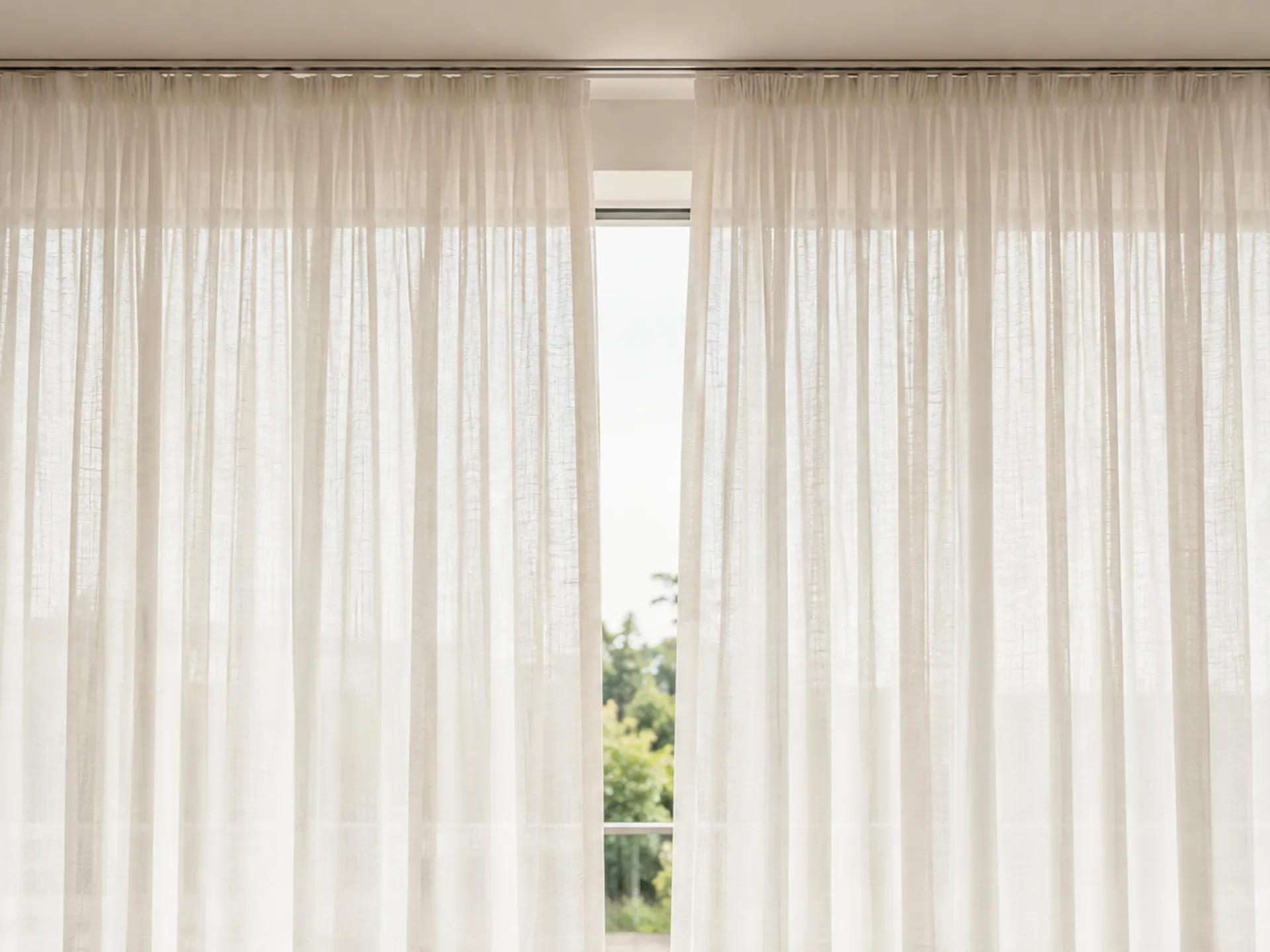
Already have curtains you like and want soft hanging fabric? Motorising just the track makes more sense.
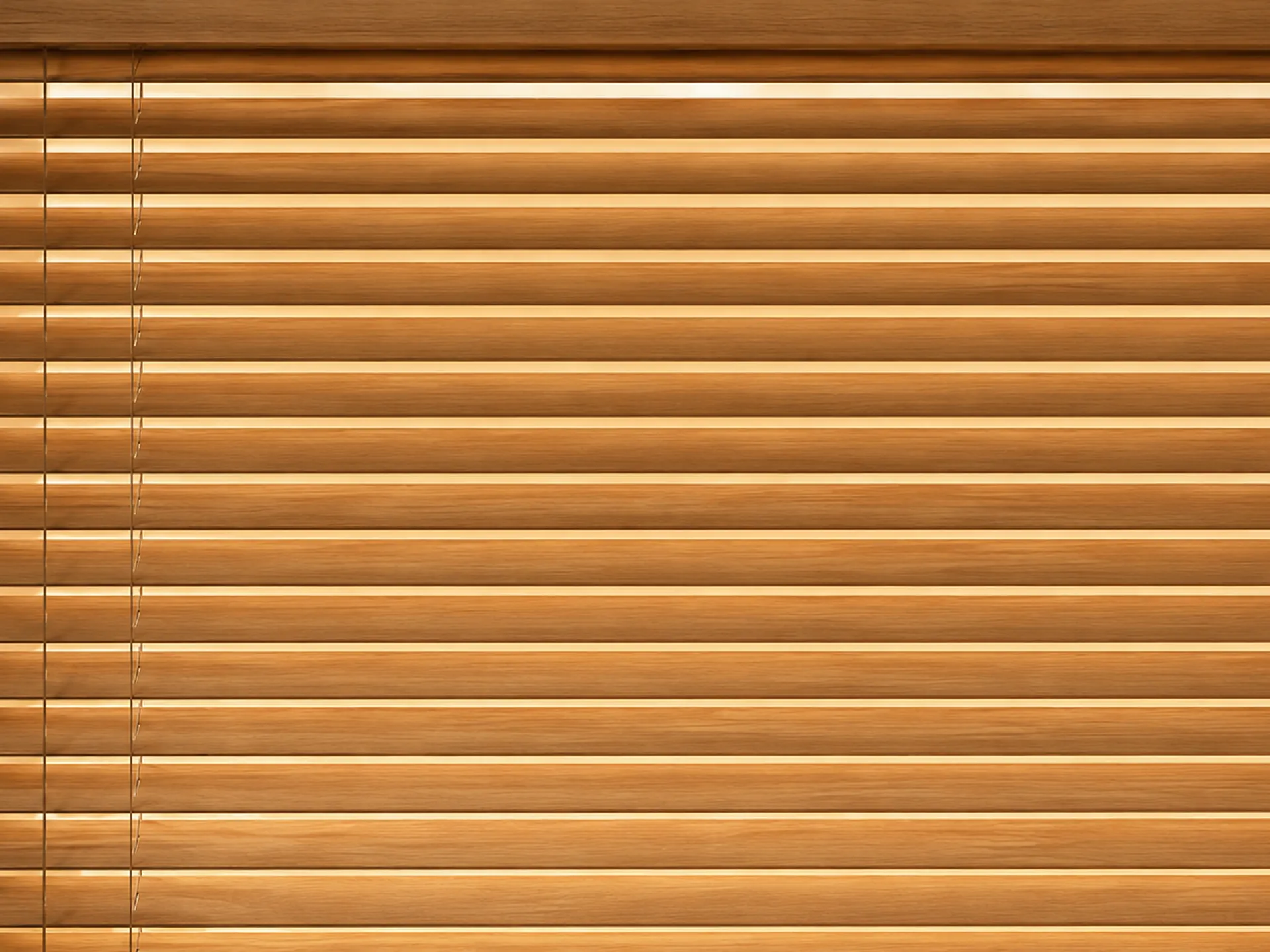
Want to aim the light bit by bit instead of just open or shut? Wooden blinds are far more precise.
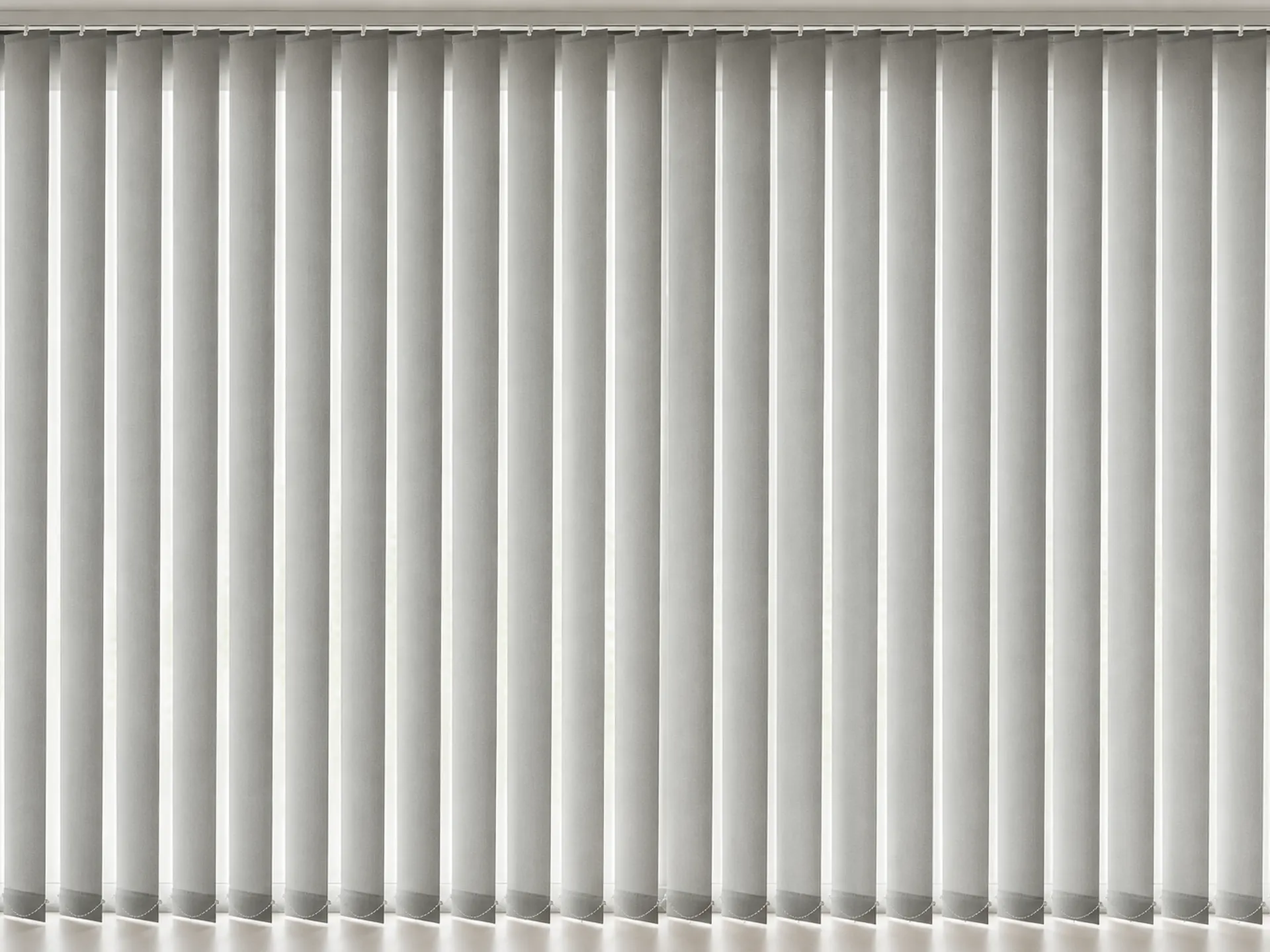
Sliding glass doors or very wide openings are handled better by verticals than by one big sheet.
Guides that cover this product in full — no need to message us to find out.
A motorized roller blind isn't an off-the-shelf product with one price. It's priced by fabric area, then a motor and a fitting charge per unit. Here's every component, plus the square-yard formula you can run on a calculator yourself.
Same fabric, same look — the only difference is whether you pull it or press a button. So the real question isn't which is better, it's which windows are worth paying a motor for.
Short answer: yes, and nothing needs to be knocked out. The only real question is where the power comes from — and there are three ways to answer it.
These two are nearly three times apart in price, and people still pick by looks alone — when in fact they solve different problems.
A condo differs from a house in two ways that matter here: you don't own everything you might want to drill into, and the glass is usually larger than the room can comfortably take.
Most people pick fabric by colour, when the thing that decides whether the room works is how much light it stops — and the same colour comes in several levels.
You don't need fitter-level precision — we measure properly before anything is made. But a decent measurement now means the price we send back is far closer to the real one.
Ready-made motorized blinds are a real option and not a bad one — they just answer a different question. Here is the honest comparison, and which windows suit which.
The hard part is not finding out who is more expensive. It is that no two quotes count the same things, so they cannot be laid side by side. These seven questions make them comparable.
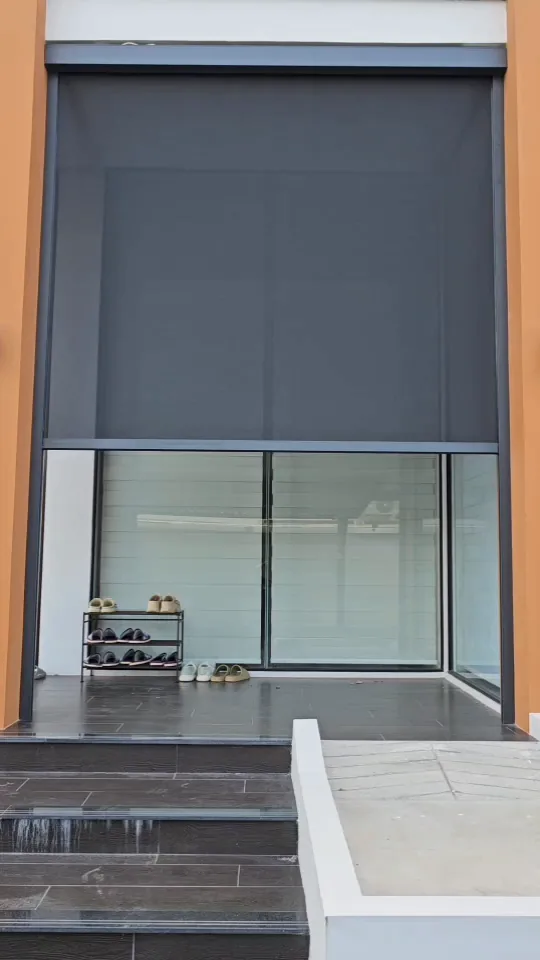
A zip blind is a type of roller blind whose two side edges don't hang free — they run inside channels for the full height. That one detail is why it tends to be chosen for the outside of glass, balconies and patios, while an ordinary roller blind mostly stays indoors.
It comes down to where the motor gets its power. A plug-in motor stops until the power comes back. A rechargeable battery motor isn't affected by a mains cut, because it never ran off the socket in the first place.
"Which brand is good" can't be answered with a brand name alone — one brand makes many models with different strength and different controls. What matters is that model's specs against your window. This guide walks through each spec, with figures from the manufacturers' sheets.
Our motorized blinds can be run three ways: a remote, a phone app, or a wall switch. The app is Tuya and no separate hub box is needed. But before ordering, confirm that the exact motor model you'll get supports the app — the models don't all list the same controls.
Plenty of bedrooms have opaque fabric and still wake up bright. The fabric is rarely the problem — the light is coming in around it.
A blind doesn't make the sun go away. It only changes where the sunlight lands once it's through the glass. Start from that and choosing fabric for an afternoon-sun room gets much easier than picking by colour.
These two are both priced by the square yard, so people assume either will do. In fact they move in different directions and suit different openings.
Anyone about to order made-to-measure curtains wants to know three things first: how long the wait is, what gets paid when, and what to have ready. Here is our process one step at a time, from the first LINE message to the fitter packing up.
A motorized blind has one part a manual blind doesn't: the motor. So the warranty question always follows. Here are our warranty figures part by part, what isn't covered, and what to do when a blind stops moving.
A living room isn't a bedroom: it doesn't need darkness, it needs the right amount of light, a view you can still see, and privacy once the lamps are on. So the right choice is rarely the most opaque fabric. It's the one that fits how the room is used through the day.
An office asks different things of a blind than a home does. Darkness is rarely the point. Screen glare, long runs of glass and low-effort upkeep are. This guide goes room by room through vertical blinds, sunscreen rollers and wooden blinds, then covers what the person signing it off usually asks: price, fitting times and tax invoices.
An outdoor roller blind uses the same fabric and mechanism as an indoor one, but the sheet is bigger and it lives with sun, wind and splashing water. So the decisions aren't only about fabric colour. They're about where it's fixed, which motor drives it, and where the power comes from.
Service area
Pick your area to see what homes and condos there usually run into, and what tends to suit them.