Vacuuming beats washing
Curtains washed often fade and shrink faster than they should. What actually extends their life is a monthly pass with a vacuum brush head, top to bottom — especially across the heading, where dust piles up most.

 Manual
Curtain
Pinch pleat, taped wave, Roman fold or eyelet — pick the style and the fabric grade, from standard to premium.
Excludes VAT · the final price depends on fabric grade and how many units
Curtain
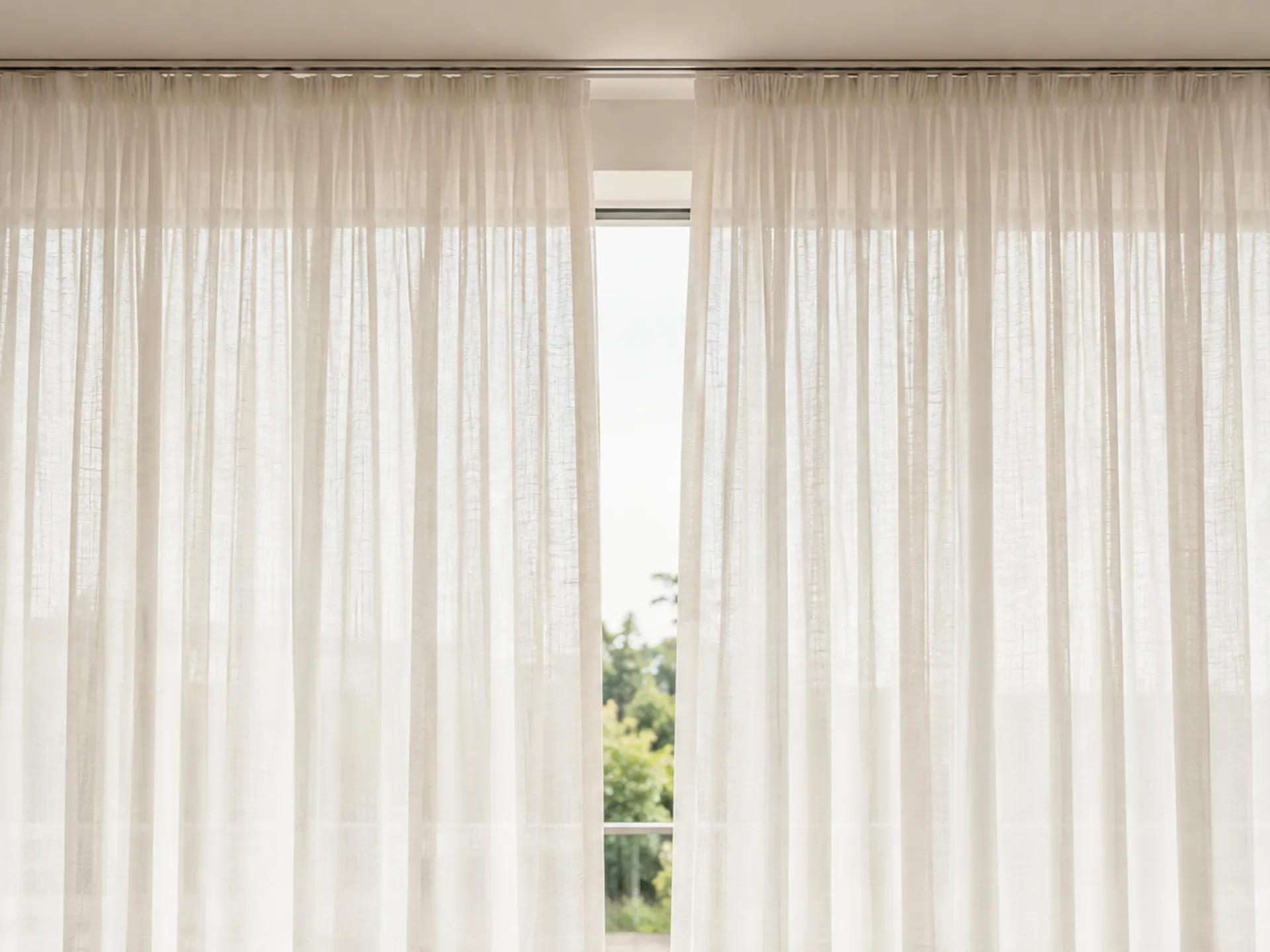
What separates curtains from rollers and blinds is that there's more fabric than the window is wide, so it falls into folds when open. Those folds are what make a room feel warmer, and why most bedrooms and living rooms still end up with curtains in the end.
The heading style is the first choice. Pinch pleat gathers the top into regular folds and reads formal and classic. Eyelet threads through metal rings for bigger, more contemporary waves. Taped wave gives an even, repeating ripple and stacks the flattest of those when it's open. We also make Roman folds, which stack upward in layers instead of drawing to the side — useful on small windows or where there's nowhere for fabric to gather.
The thing people don't expect: curtains aren't only about light. Heavy fabric genuinely takes the echo out of a bare room with hard floors — condos where every word bounces usually sound better the day the curtains go up. Rollers and blinds can't do that.
The number beside each fabric is roughly how much light it blocks.
Jobs that used this product — open one for the photos and clips from site.
The limits up front, so nothing is a surprise once it's on the wall.
Work through these in order and the choice narrows fast.
Most people start with colour and only later find the fabric doesn't work for the heading they wanted — very light cloth, for instance, won't hold its shape in eyelets. Start with the heading and the wrong fabrics rule themselves out.
The grades run standard, mid and premium, and the per-yard price of each is in the price box below. What you actually feel isn't just thickness — it's how the cloth falls and how even the folds stay, which shows up most on tall drops.
A single sheer is lovely and diffuses light, but at night shapes still show from outside. A single opaque layer forces a choice between dark and no daylight at all. Sheer inside plus opaque outside is the most flexible answer for a bedroom.
Floor length makes the ceiling look higher and instantly more expensive — right for living rooms and bedrooms. Sill length suits windows with furniture under them, like a headboard or a desk pushed to the wall.
Fixing the track tight to the top of the frame makes a room look squat. Lift it higher than the frame and run it wider on both sides and the room instantly reads taller — plus the open curtain stacks on wall instead of covering glass.
Curtains are priced by the yard of fabric, not by the square yard like blinds. So two things drive the number more than anything else: how wide the window is, which decides how much cloth is used, and which fabric grade you choose.
There are three grades, and the per-yard figure for each is in the box below. Installation follows the standard formula used across the other categories. The final price is confirmed after the on-site measure, once the unit count is settled.
Curtains washed often fade and shrink faster than they should. What actually extends their life is a monthly pass with a vacuum brush head, top to bottom — especially across the heading, where dust piles up most.
Fabrics differ enormously. Linen and cotton shrink in hot water, some sheers lose their shape on a hard spin, and coated blackout cloth often shouldn't see a machine at all. Ask before you risk a whole panel.
If it's washable, hanging it back up while still slightly damp lets its own weight pull the creases out — you'll barely need to iron. Don't bake it dry in direct sun; that's the main cause of uneven fading.
Run your hand down the stack so the folds sit in their original lines each time you open it. Ten seconds — and it's the difference between two homes with identical fabric. Left bunched at random, the cloth learns the wrong creases.
FAQ
Before cutting, talk to us. Once it's made there's an extra charge, because the fabric was cut to your windows.
500-1,000 THB in Bangkok and the metro area, credited back in full when you order. Outside that it starts at 3,500 THB depending on distance and is not credited back.
The room needs to be fully finished — the measurements have to be the final ones.
7-14 days, depending on how many units.
We don't take cleaning or repair work — not on curtains bought here, and not on curtains bought elsewhere. If it's something covered by the warranty (motor 6 years, installation 1 year, wooden blind slats 1 year), message us as usual.
If the error is ours, we fix it at our cost.
It's two panels on two channels of the same track set: a sheer inside for daytime, giving soft light with some privacy, and an opaque layer outside for night or whenever you want the room dark. It gives you far more control than a single panel ever can — and it's routine work for us, not a special order.
Four headings: pinch pleat, taped wave, Roman fold and eyelet. The fabric comes in more than 100 shades, and we bring samples to the on-site measure so you can judge the colour in your own light.
Floor length looks best in living rooms and bedrooms, but leave a small gap above the floor — fabric that drags gets dirty fast and wears through at the hem first. Where furniture sits under the window, stopping at the sill is simply more practical.
Not quite what you pictured? These are the closest alternatives.
Love the curtains but not the walking over to pull them? The track can be motorised with the same fabric.
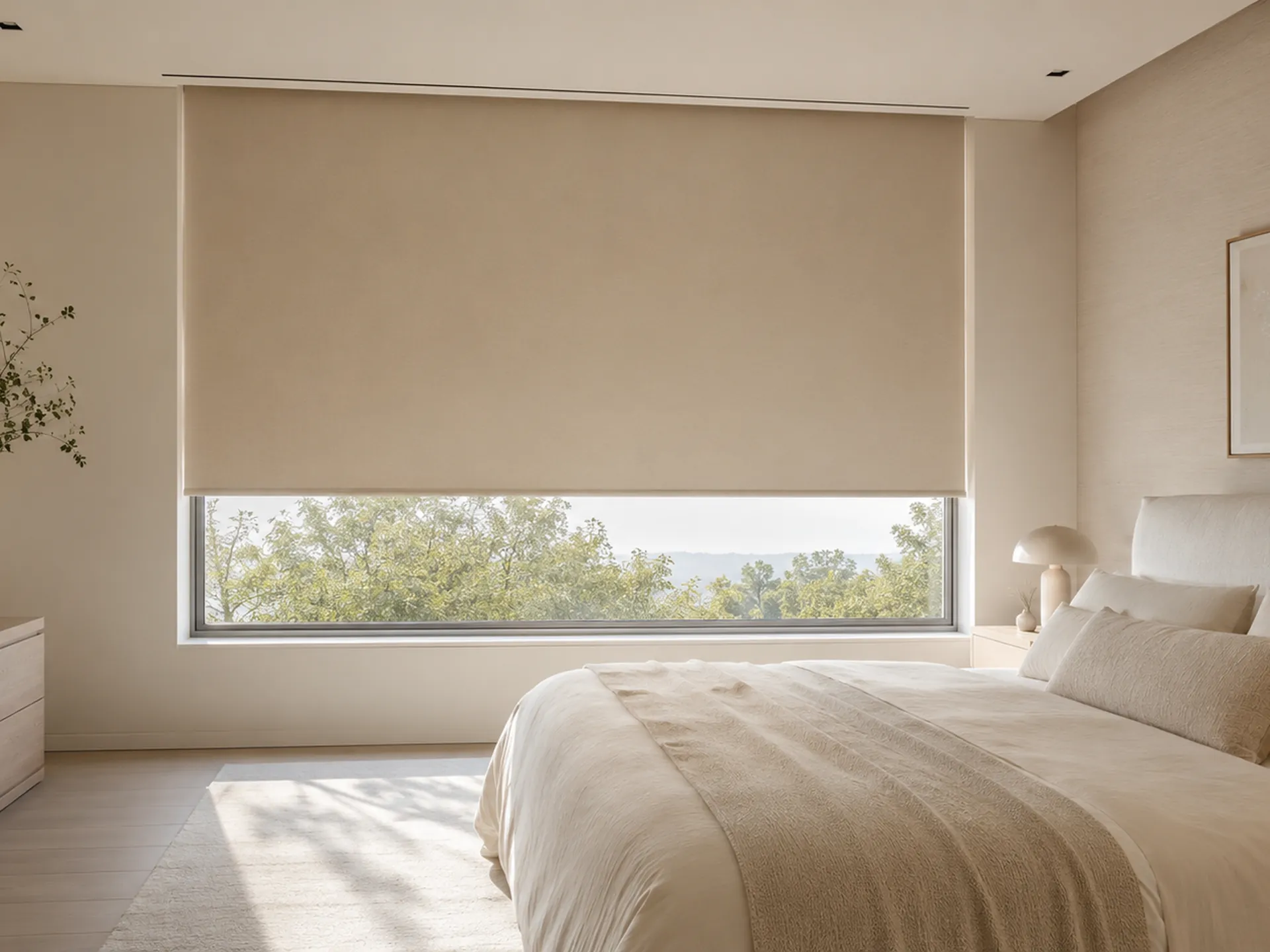
Short on space at the window, or after a flat clean face? A roller takes up far less room.
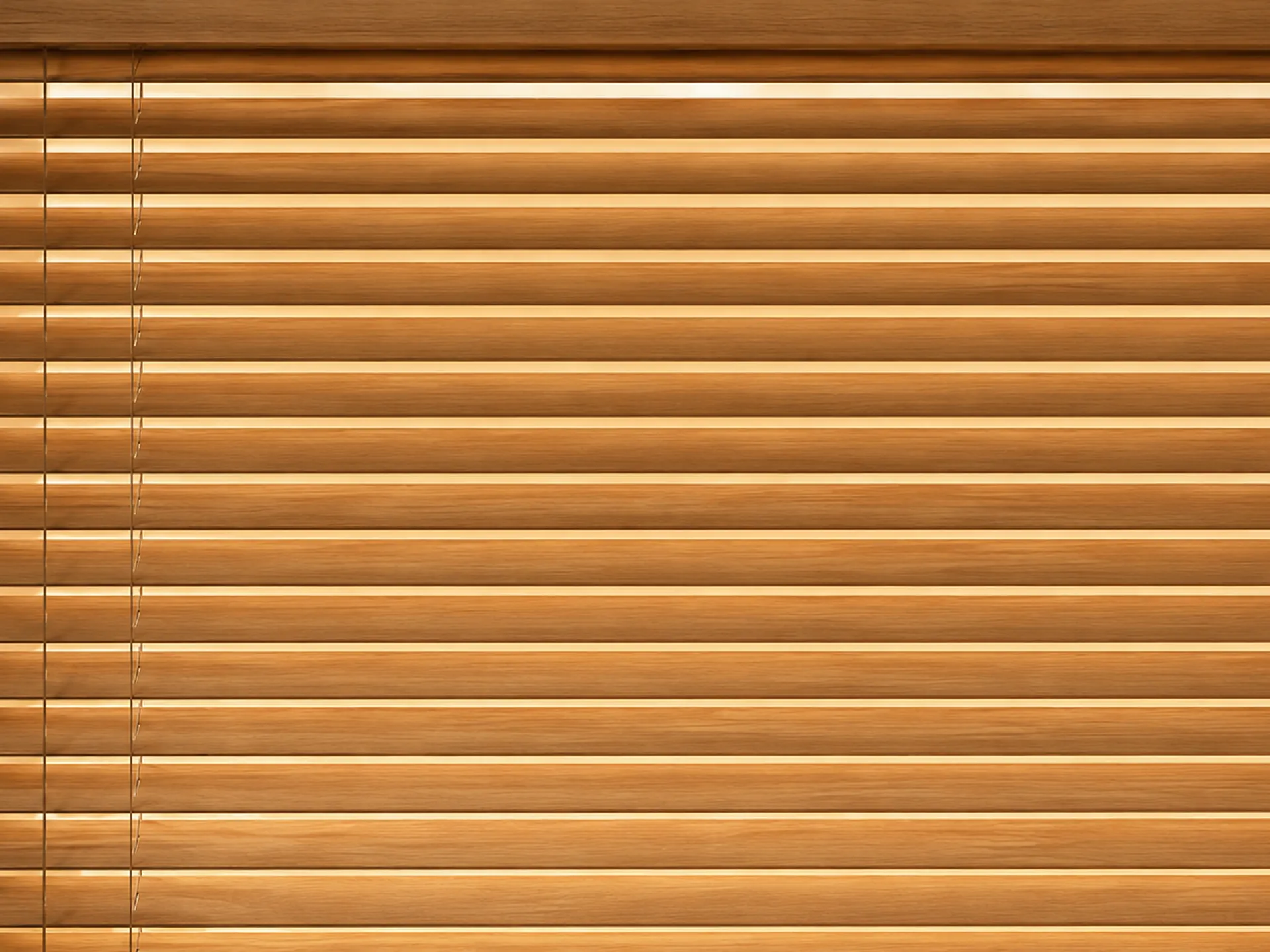
Want to steer the light rather than just open or close? Wooden blinds can; curtains can't.
Guides that cover this product in full — no need to message us to find out.
Most people pick fabric by colour, when the thing that decides whether the room works is how much light it stops — and the same colour comes in several levels.
You don't need fitter-level precision — we measure properly before anything is made. But a decent measurement now means the price we send back is far closer to the real one.
Ready-made motorized blinds are a real option and not a bad one — they just answer a different question. Here is the honest comparison, and which windows suit which.
The hard part is not finding out who is more expensive. It is that no two quotes count the same things, so they cannot be laid side by side. These seven questions make them comparable.
The most common question is how many yards a two-metre window needs. The answer is not two metres converted to yards — and understanding why is the key to reading any curtain quote.
A motorized curtain track isn't priced by the square yard like a roller blind. It's priced per set according to the length of the track, and that price already includes the motor. Here's what sits inside that figure, what is charged separately, and what moves the price.
The same fabric in the same colour gives a room two different moods as a pleated curtain and as a wave curtain. The whole difference is in the heading and the track, not in the cloth.
Plenty of bedrooms have opaque fabric and still wake up bright. The fabric is rarely the problem — the light is coming in around it.
A blind doesn't make the sun go away. It only changes where the sunlight lands once it's through the glass. Start from that and choosing fabric for an afternoon-sun room gets much easier than picking by colour.
Anyone about to order made-to-measure curtains wants to know three things first: how long the wait is, what gets paid when, and what to have ready. Here is our process one step at a time, from the first LINE message to the fitter packing up.
A motorized curtain track can go into a home you already live in, with nothing knocked out. Three things do have to be ready before the fitter arrives: power, something for the track to fix into, and finished decoration. This guide takes them one at a time, and says which are yours to sort out and which the fitter checks at the measure.
Two layers don't make a room any darker than the opaque curtain would on its own. People choose them because the daytime gets light and privacy together. This guide explains how the two layers work, what space they need, and what the cost is made of.
A living room isn't a bedroom: it doesn't need darkness, it needs the right amount of light, a view you can still see, and privacy once the lamps are on. So the right choice is rarely the most opaque fabric. It's the one that fits how the room is used through the day.
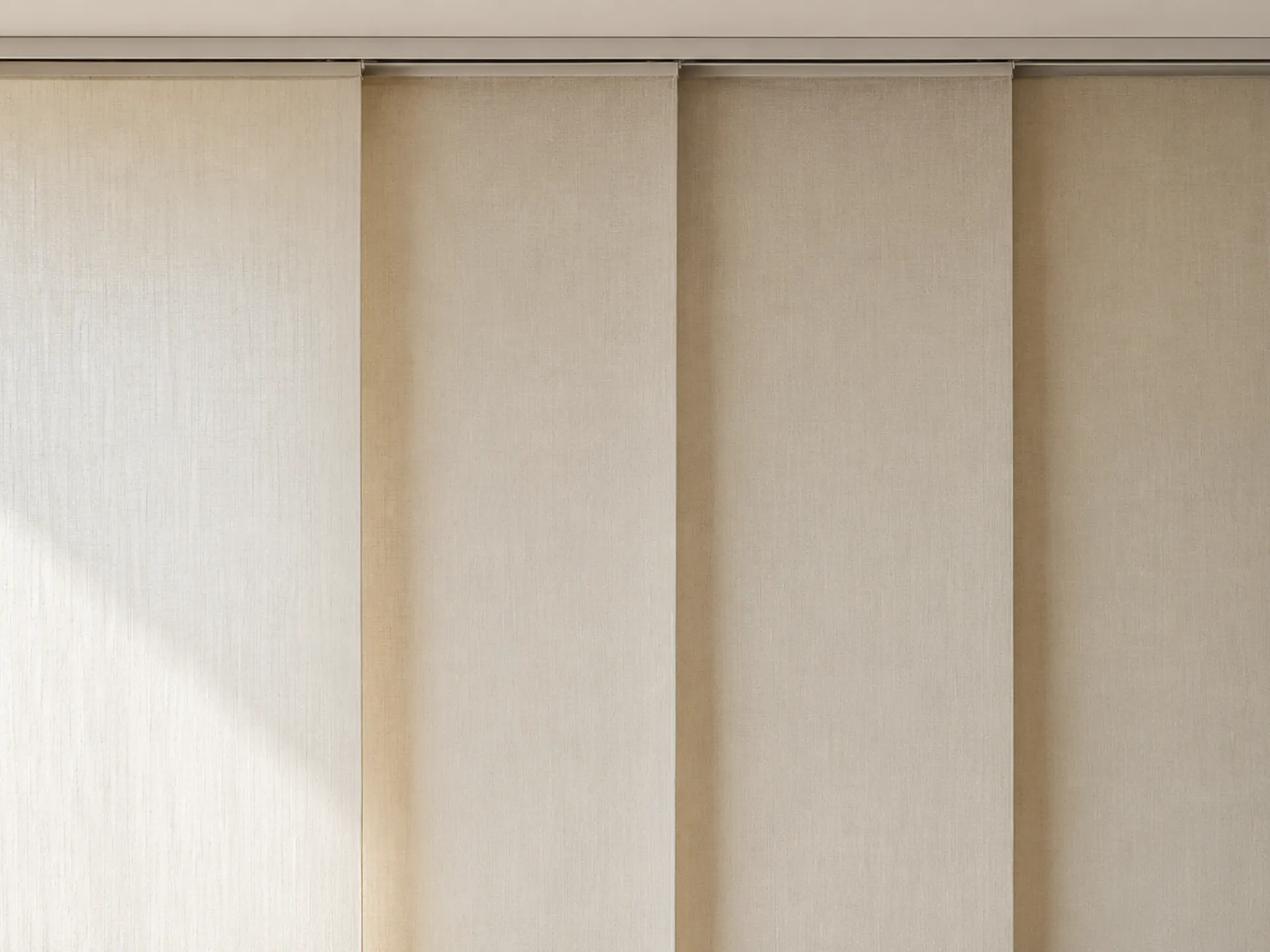
A room divider splits a space without building a wall and slides out of the way when you don't need it. It divides what you see, though, and it is not a wall. This guide gives both sides: where it works, where it will disappoint, how it's priced and what to measure before asking for a quote.
Service area
Pick your area to see what homes and condos there usually run into, and what tends to suit them.